
Hair Care
How to Texturize Hair

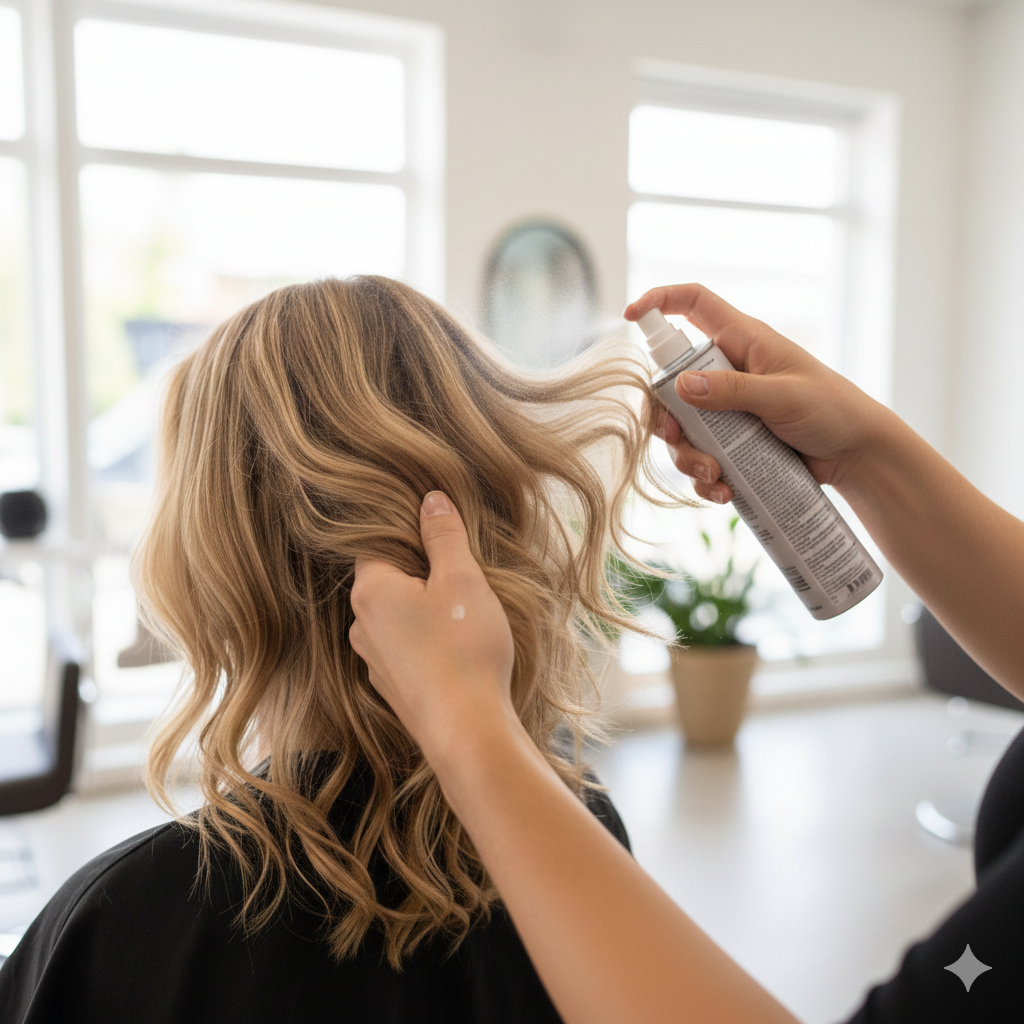
A good hairstyle is not necessarily about the length or density, which is why some people prefer to texturize their hair. There are several hair texturizing styles that can enhance the shape and flow of your hair. If done correctly, textured hair is easier to manage. You will learn how to texturize hair at home and the products to use for best results.
Light products are ideal for textured hair. Cream, mousse, or texturizing spray products work better than sticky waxes.
Air drying, softly scrunching, or using heat are some of the best ways to treat a textured cut. This may sound vague until you understand what it means to texturize the hair.
What Does Texturizing Hair Do?
Hair texturizing shifts the weight. It removes too much density in certain areas. Thinning hair is not what it is about. Thinning removes volume, and texturing gives shape and movement.
However, the styling matters. Two people can have the same curl pattern but different textures.
Benefits of Texturizing Hair
Low-maintenance
Texturizing removes weight and adds layers of dimension to the hair so it can fall naturally. Basically, it helps curls, waves, or layers to flatten better. Texturized hair also makes styling faster and easier.
Adds Style
Apart from the low-maintenance, you can style a textured hair in several ways. Whatever style you choose, it adds movement and shape to the hair.
The good thing about this is that it shows the natural texture of hair, whether it is straight, curly, or wavy. Straight hair has more dimension and flow instead of just lying flat and looking heavy.
Wavy hair, on the other hand, looks more proportioned so it doesn’t appear too patchy especially for those with curly hair. It helps define the curls and can also improve areas where the hair feels too thick.
Lifestyle
If you are too busy to be visiting the saloon every weekend, I think texturizing your hair is a good idea. Most people, especially women that texturize their hair do that because of their busy schedules.
Actually, you don’t do much on texturized hair. With the use of heat tools, texturized hair holds curls or waves effectively.
You’ll also discover you don’t need to brush often or use many products because the hair already has movement and shape.
When done appropriately, a texturized hair gives you a flattering look. It takes away weight around the jawline or cheekbones, which helps to soften sharp angles, and add weight in certain areas.
Unlike thinning, shaping focuses more on shaping and adding flow to the hair instead of just volumizing.
Common Texturizing Styles
Straight, wavy, curly, or coily, texturizing can change the way your hair looks and feels without cutting off too much length. Some of the looks to pick from are
Layered Texturizing
Layered texturizing is one of the best because it fits everyone. The hair can be cut in layers to create volume and reduce bulk. Layers lighten up thick hair and give fine hair the appearance of more volume.
This style also makes everyday styling easier because the hair naturally falls into place.
Feathered Texturizing
When you curl, cut, comb, or style your hair, it looks light and smooth hair flows as you move. If you want something feminine and easy to maintain, then this style is for you.
Likewise, it allows you to edge the face gently, particularly around the cheeks and under the jaw.
Razor Cut Texturizing
Razor texturizing is done with a razor blade instead of scissors. This is a great style for those who want to have some movement and texture but don’t want to have sharp edges.
Curly Hair Texturizing
Curly texturizing shapes the curls. With this, you don’t need to cut the curls. The objective is to reduce heaviness yet retain the curl definition.
The curls shouldn’t look too bulky or uneven. This style also helps reduce frizz and improves curl pattern.
Wavy Hair Texturizing
Texturizing wavy hair boosts the natural wave pattern. It stops the hair from feeling heavy. The waves look more defined (even without heat styling).
Choppy Texturizing
The choppy hairstyles are deliberately uneven, and it adds a little more feature to the hair. This cut is best for those who want to look edgy or young. It’s popular for short and medium haircuts.
Tapered Texturizing
The tapered texturizing keep some areas shorter than others but still allow growth in other parts of the head. It’s common in natural and short hairstyles.
This style provides a clean, crisp look while allowing texture and volume where you need it most.
Pixie Cut Texturizing
A pixie cut is very easy for textures to look flat and heavy. Texturizing creates depth and dimension, and more movement.
Related Post:5 Best Makeup for dark skin as recommended by Dermatologists
Textured bob stays away from blunt ends. As an alternative, the ends are softened to give movement. This makes the bob appear lighter.
Twist-outs are a popular texturizing technique for type 4c hair. The hair is twisted and then untwisted to form soft curls.
This style textures, elongates, and detangles the hair. It also provides a full and defined look in the hair without heat.
Like twist-outs, braid-outs give you a slightly softer texture. The result is fuller hair with a natural wave pattern. This is a nice, gentle style for those who are trying to avoid using heat.
A textured blowout focuses more on volume and movement. The hair appears full soft. Perfect if you want a polished natural finish.
Shag cuts are about layers and texture. They offer a relaxed finish to the hair. Anyone that prefers volume, should try the Shag Texturizing style.
Texturizing bangs ensures that they don’t appear too heavy or flat. Texturized fringes make a smoother transition when blended with the rest of your hair and are much easier to style.
Afro texturizing evens the shape of the hair, also makes it look fuller. The unfinished bulky target here is “rounded off” rather than evened out. It allows for the natural beauty of coily hair.
Tools to Texturize Hair
Different tools produce different results. Here are the tools for texturizing hair.
- Texturizing shears.
- Thinning shears.
- Professional haircutting scissors.
- Feather razor or styling razor.
- Sectioning clips.
- Fine-tooth comb.
Texturizing Shears
Texturizing shears have teeth on a single blade. They take bulk out of hair without making sharp lines. These work best on thick hair.
Thinning Shears
Thinning shears do decrease density fast. They are not always the most gentle product.
Razors
Razors provide the hair with a soft, feathery edge. They’re great for straight or wavy hair. It can also cause frizz if misused.
Scissors and Combs
Some haircuts need scissors instead of razor. And after cutting, use a fine-tooth comb for the hair.
Related Post:10 Best Shampoos for Oily Hair
How to Texturize Hair at Home
Steps to take:
- Wet and dry your hair. Remove tangles softly. Divide the hair.
2.Find the heavy areas: Section the hair with clips.
- Choose the method(razor, shears, or point cutting). Hold your scissors vertically.
- Cut little sections from the ends.However, never cut straight across.
- Blend if necessary with thinning shears.
- Use texturizing products, like a sea salt spray, to style.
How to Texturize Hair for Volume
Volume is a result of strategically cutting out weight.
Stylists steer clear of cutting too close to the root. This keeps the crown full and it has a long-lasting body.
Texturizing Products to Use
- Sea Salt Spray: Provides the look of beachy waves and volume.
- Hair Mousse: Lightweight and flexible hold.
- Texturizing Cream: Adds definition to layers without making them stiff.
- Dry Shampoo: Give a second wind of volume and texture to the hair.
Texturizing Errors to Avoid
Over-cutting Causes Frizz
Over texturizing can remove too much weight, and can make the hair structure weak. This causes frizz, flyaways, and bumpy texture, which is hard to tame or style.
Cutting Too Close to the Scalp
Texturizing at the root can create gaps in your hair. When the cut is too close, the scalp shows. These are very difficult corrections to blend and invariably require artificial means of regrowth or replacement.
Using Poor Tools
Blunt or cheap tools can weaken hair strands, leads to split ends and hair breakage.
It’s better to use a sharp set of scissors or cutting sheers for an even and clean cut.
Hair care after texturizing hair
Even though the maintenance for texturized hair is minimal, you still need to care for texturized hair. Things you must know:
Handle textured hair with care. Products should enable movement.
Sulfate-free shampoos treat cuticles. They keep the texture. Mild conditioners prevent dryness. Thick formulations can weigh down a style.
Best texturizing products
Top dry texturizing sprays
- Oribe Dry Texturizing Spray
- Living Proof Full Dry Volume & Texture Spray
- OUAI Texturizing Hair Spray
- R+Co Balloon Dry Volume Spray
- Moroccanoil Dry Texture Spray
Best Sea Salt Sprays
- Sachajuan Ocean Mist
- Bumble and Bumble Surf Spray
- Davines This Is A Sea Salt Spray
- Not Your Mother’s Beach Babe
Best texture creams and pastes
- Aveda Control Paste
- Kevin Murphy Rough Rider
- R+Co Badlands Dry Shampoo Paste.
- Bumble and Bumble Sumotech.
The best mousses for texture and volume
- Living Proof Full Thickening Mousse
- Kenra Volume Mousse Extra 17
- Moroccanoil Volumizing Mousse.
Best Products for Curly or Wavy Hair
- DevaCurl SuperCream
- Ouidad Advanced Climate Control Cream
- Curlsmith Weightless Air Dry Cream.
Best Texturizing Products for Men
- American Crew Fiber
- Hanz de Fuko Claymation
- Layrite Cement Clay
- Baxter of California Clay Pomade.
How to use texturizing products
- Start with lighter formulations: Products weigh you down and limit your movement.
- Layer your products: Build texture gradually.
- Choose the product suitable for your hair type: It prevents overloading and tipping.
Bulk vs. Volume
Volume brings lift and bounce; while bulk gives you a more dense effect. Texturizing allows you to achieve the right balance of the two.
When you take out bulk, hair is naturally lifted and not too thick.
FAQs
What is hair texturizing?
Hair texturizing is a cutting or styling process that removes heaviness to improve movement and shape in the hair. Instead of focusing on length, it’s about balance. The idea is to create hair that is simpler to manage and looks natural.
How is texturizing different from thinning hair?
Texturizing adds more flow and flexibility to your hair, while thinning reduces the overall amount of hair you have. It’s not like thinning hair out is better than texturizing; they have different reasons. When it is done right, texturizing still results in volume and prevents hair from looking flat.
Is texturizing suitable for all hair types?
Yes, majority of hair types can be texturized. The method varies according to the hair density, curl pattern, and condition. However, fine hair needs less texturizing than thick hair.
Does texturizing damage hair?
Hair texturizing is not harmful to hair if done right. Damage comes from using the wrong. For example using razors instead of thinning scissors.
How often should I texturize my hair?
Normally, you should texturize your hair between 8 to 12 weeks. But the frequency depends on how fast your hair grows and the texture.
Moreover, you should space sessions, as too much texturizing can cause excessive frizz, thinning, unevenness and breakage.
Can hair be texturized without cutting?
Yes, texture can be achieved by using styling products and heat tools. Dry texturizing sprays, sea salt sprays, and curling irons add temporary texture.
What products are best for textured hair?
For best results, use lightweight texturizing sprays, texture creams, and volumizing mousses. Brands such as Oribe, Living Proof, and OUAI give more movement on dry hair witho. But make sure that you don’t use heavy products or texturized hair.
Should you texturize your hair wet or dry?
Hair can be texturized whether it is wet or dry, however, dry hair will give you instant volume and a better finish, while damp or wet hair is suitable for creating natural waves and a base texture.
Dry sprays will add grit and volume to the hair, whereas wet sprays (mists) will help to facilitate the hair’s natural movement.
Final Thoughts
A texturized help helps the hair look healthier and more manageable. It gives volume and movement without sacrificing form. The effect will last, and the style will be easier to manage, provided you have the right tools and product.
People often confuse thinning and texturizing.Thinning hair is the removal of the density from hair with the use of thinning shears which cuts chunks of hair out.
Texturizing nonetheless, is a more precise and controlled process. It’s not just snipping at locks to thin them out, either. If you follow the steps on how to texturize hair, the hair won’t look thin or patchy.
Hair textures are also a big factor in texturizing a hair. For example, fine hair requires just a little texturization here and there for movement without sacrificing fullness, but too much makes the locks look thin and weak.
Medium-texture hair usually is the easiest to work with and has the widest selection in treatment options.
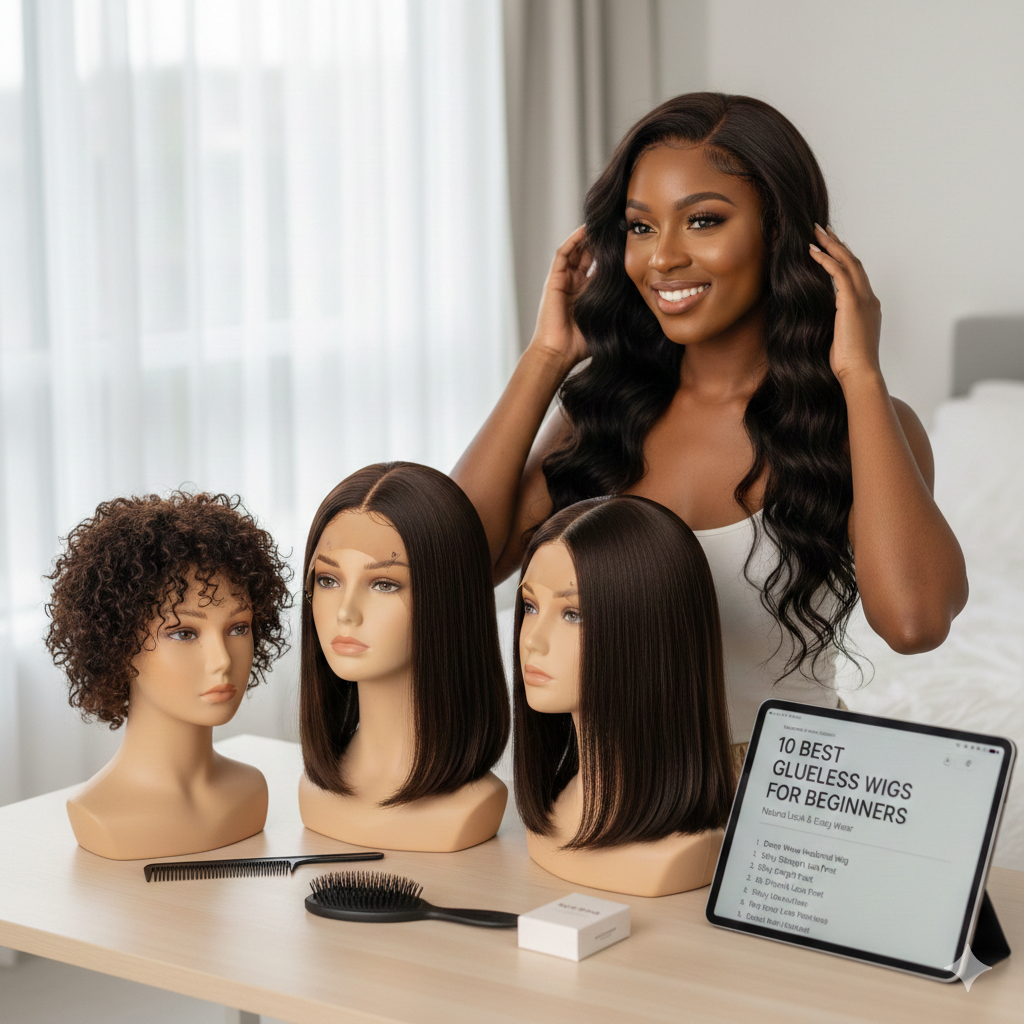
There is no need to get anxious about wearing a wig for the first time! As a beginner, choose a simple style that you can wear without glue, salon tools or daily fiddling in front of the mirror. The best glueless wigs for beginners in 2026 are comfortable to wear and look natural on the head.
Wig tech has transformed how new users think about hair replacement and protective styles in the last few years.
Today’s glueless wigs have superior lace, better cap construction and more natural hairlines that suit many face shapes and skin tones.
Rather than stress about adhesives, lace melting, or damaged edges, newbies can focus on comfort and style.
In this guide, I have the 10 best glueless wigs for beginners. Every product information is detailed so that you can make your choice.
What is a glueless wig?
A glueless wig is a type of wig that doesn’t require glue, tape, or any other adhesives to hold down. They use elastic bands, adjustable straps, as well as combs or drawstrings to create a secure fit.
These wigs are way easier to wear and more gentle on the scalp, especially if you’re new to it. Recent upgrades have thinner lace, improved cap design, and more natural scalp-color hairline technology.
Features of Glueless Wigs
Secure Fit Without Glue
Glueless wig have adjustable straps, elastic bands, or drawstrings to allow you to secure it in place. This prevents the wig from sliding around and have a better fit.
Natural Hairline and Lace
Invisible lace is more skin-tone friendly. Pre-plucked hairlines and ultra-small knots will make your wig look more real.
Breathable Cap Design
A light cap allows a person’s skin breathe, reduces sweating and is comfortable enough to wear all day.
Stylish and Beginner-Friendly
Even as a beginner, you should be able to style glueless wigs. Most types now are “wear and go.”
Good for Natural Hair
Since glue is not needed, glueless wigs are much easier to put on and take off. They prevent tension and pulling on your hair, which can lead to breakage and scalp irritation.
10 Best Glueless Wigs for Beginners
Each type is suitable for different lifestyles, facial shapes, and hair practices.
9×6 Tiny Knots Straight HD Lace Glueless Wig
9×6 Straight HD Lace Glueless Wig is one of the best glueless wigs for beginners. It comes with a big lace space. The middle part is also available as an option. The large lace space can be placed anywhere with ease, while tiny knots expose your hairline in a more natural way.
This wig is suitable for work, school as well as for other occasions. The straight texture is ideal for all faces, enhances a sharp jawline and you can go formal or casual.
Related Post:Best Pixie Hairstyles for Curly Hair
HD lace melts very nicely and seamlessly with the scalp, because of its thinness.
Features:
- Wide 9×6 Lace Natural Parting
- Small knots create the illusion of a real scalp.
- Adjustable straps for a comfortable fit
- Lightweight cap for daily wear.
If you want a neat, natural look but you don’t want too much worry, this is the wig for you.
Fit-Lock Drawstring Glueless Wigs
Fit-Lock Drawstring Glueless Wigs were designed with comfort and security in mind. Instead of relying just on straps, they feature a drawstring mechanism which applies uniform tension between the wig and the scalp.
This style is great if you’re just starting out and don’t want to panic over your wig flying off. It stays perfect all day, which is good for busy women. The fit-lock system also relieves the pressure on the hairline.
Key features:
- Drawstring closure for a custom fit
- Without glue or adhesive.
- Comfortable for extended wear
- Natural finish with minimal adjustment.
This wig is good for anyone that wants a natural and comfortable look.
Wear Go Glueless Loose Deep Lace Wigs
For anyone new to wigs or for those who want to have texture without having to style, the Wear Go Glueless Loose Deep Lace Wig is a solid option. The loose deep wave adds fullness, and it is easy to keep control of, natural and tidy.
This wig is beautiful and simple. It lies flat with the lace pattern, and the curl pattern can help to hide a few imperfections.
Key features:
- Loose deep wave texture
- Easy wear-and-go design
- Soft lace for natural blending
- Installation suitable for beginners
- Great for anyone who wants a fuller look.
Short 10″–12″ Glueless Bob Wig
Short glueless bob wigs remain a popular choice among beginners. This wig is easy to manage.
Also, it is light in weight and suitable for daily normal application. It features a clean, classic look for a fresh, contemporary style that fits different face shapes.
It needs almost no styling and is perfect for warm weather due to its short length.
Features:
- Light and breathable
- Simple maintenance
- Secure fit with no glue
- Sleek and natural appearance.
It’s perfect for those who like to keep it simple with their hair or who want to achieve a classic look.
Deep Wave 8×5 Glueless Wig
The Deep Wave 8×5 Glueless Wig flows naturally and gives you a definite curl pattern. The lace is 8×5 which provides sufficient space for comfortable parting and still keeps the wig manageable.
This wig is perfect for beginners as it has curls that need no or very little styling. With proper maintenance, the wave pattern will last and hold its shape.
Key features:
- This deep wave wig has a cool, defined curl pattern.
- The lace size is medium, so it’s easy to deal with. It gives you natural volume and moves nicely.
If you like a hair with texture, soft and looks real, this wig is a good choice.
Curly HD Lace Glueless Wig
The HD lace on this wig helps hide your scalp. It makes the curls look like they’re growing right from your head, and the lace blends well with your skin.
If you love curly hair but hate using glue or struggling with wig installation, this is for you. It looks good on different skin tones and face shapes.
Features:
- Adjustable fit
- Soft, defined curls
- HD lace that blends in
- Easy to wear.
Water Wave “Wet & Go” Glueless Wig
This wig is easy to use, clean, lasts long and is water friendly. Because of how easy it is to maintain the freshness of the curls, it is sometimes referred to as “wet and go.”
It’s possible to reactivate the curls with water or a very mild product, which means that the wig is perfect for busy people. The wig has a great waving pattern.
Features:
- Can refresh with minimal water
- Waves look natural
- Comfortable fit, glueless application
- Breathable and lightweight.
If you are looking for a natural wig that is user-friendly, this wig is an excellent option.
360 HD Lace Frontal Glueless Wig
The 360 HD Lace Frontal Glueless Wig features all-lace coverage and gives you the freedom to style your hair the way you like.
The larger lace area modern designs with the use of advanced technology (between 2.2 2.5 inches in front by about 15 inches in the back for 360)
If you desire to wear your hair in a ponytail or in a style that pulls your hair back, this is a wig to consider. The HD lace maintains a natural hairline, allowing for a seamless hairline look.
Key features:
- The product offers full 360- degree lace coverage.
- The product offers a hairline view that looks like real hair growth
- The product has bands that customers can take off and replace with other bands.
With this product, you can have the style you want without any glue materials.
Knotless Box Braid Glueless Wigs
Knotless box braid glueless wigs allow users to achieve professional braid styles without having to spend extended time at the hair salon.
The amount of volume added by the knotless method is less, this makes the product look more natural.
These wigs serve as protective styles, gives beginners immediate access to braided hair.
Key features:
- Lightweight and Knotless Braid design
- Breathable and lightweight non-glueless cap
- Glueless cap
- Natural braid look.
The Pre-Plucked Body Wave 13×4 Lace Frontal Glueless Wig
This wig has soft waves with a large lace area for multiple styling options. There is less need for customization with the pre-plucked hairline.
It also offers beginners the flexibility to create various part styles and still maintain a natural look.
Key features:
- The pre-plucked hairline gives the users a good hairline that can be used directly.
- The body wave texture gives a soft feeling and looks natural.
- The user can adjust the position of the head strap for a better fit.
- It has a natural movement with a shiny look.
The product is suitable for daily life and party.
Not all glueless wigs will get you the same look. The best choice will depend on fit, lace quality, and hair texture.
Matching the Lace to Your Skin Tone
HD and transparent lace makes the wig look more natural on the scalp. A closer match achieves better realism with less need for makeup or additional customization.
Selecting A Hair Texture That Complements Your Face
Straight, wavy, curly and braided hair styles all frame the face in different ways. Beginners are advised to select a texture that is easy to work with and manageable.
There are certain procedures you must follow when you want to choose a natural glueless wig. Consider these four things in the selection process.
They include:
- The fitting
- The quality
- The lace material
- The texture of the wig.
The skin color of the person should match with the lace fabric. The combination between HD and transparent lace enhances the scalp look of the wig.
The hair texture should match your face shape. The different hairstyles, which include straight, wavy, curly, and braided methods, create different ways to highlight facial features.
Beginners need to select a texture that they already know and can handle without issues.
Cap Construction for Comfort Wig Cap
Construction affects how the wig wears on your head and how comfortable it is. A good cap maintains breathability and is well balanced with air pressure.
Elastic Bands and Adjustable Straps
This features a custom fit that does not squeeze the head. These extend the comfort and security of a wig.
Lightweight Caps for Long Wear
The lighter the cap, the less heat your head will generate, so you can enjoy a longer wear.
Who Should Get Glueless Wigs
The glueless construction of these wigs means that people can successfully use them, thanks to the versatile design.
Frequently Asked Questions About Glueless Wigs
Are glueless wigs good for beginners?
Yes. They’re great for beginners because they’re easy to put on, safe for the scalp, and don’t need adhesive or professional help.
- Do glueless wigs look natural?
Yes. High-quality glueless wigs with HD or transparent lace can look very natural, especially when they have pre-plucked hairlines and small knots.
- Can I wear a glueless wig every day?
Yes. Many people wear them daily, as long as the wig fits well and you keep your scalp clean and moisturized.
- Will a glueless wig stay secure without glue?
Yes. A glueless wig uses adjustable straps, elastic bands, or drawstrings to stay put during normal daily activities.
- Are glueless wigs better for natural hair? Yes. Since they don’t use glue, they reduce tension, prevent edge damage, and help protect your natural hair over time.
Conclusion
Glueless wigs aren’t just for emergencies or beginners anymore. In 2026, they’re a great option for anyone who wants a natural look, comfort, and to take better care of their hair.
If you’re new to wigs, they’re cool because they’re easy to use and won’t damage your hair. You can put the wig on, adjust it, and go, without worrying about glue messing up or the lace shifting.
The best glueless wigs should feel like your own hair. They come in different sizes to fit your head, look good with all face shapes, and work for everyday life.
Whether you prefer straight hair, waves, curls, or braids, a good glueless wig needs to feel secure, look real, and let your hair rest. Those things are more important than what’s popular or what brand it is.
When choosing a glueless wig in 2026, consider how it fits, the comfort, and how well it matches your look. A good one should make you feel good.
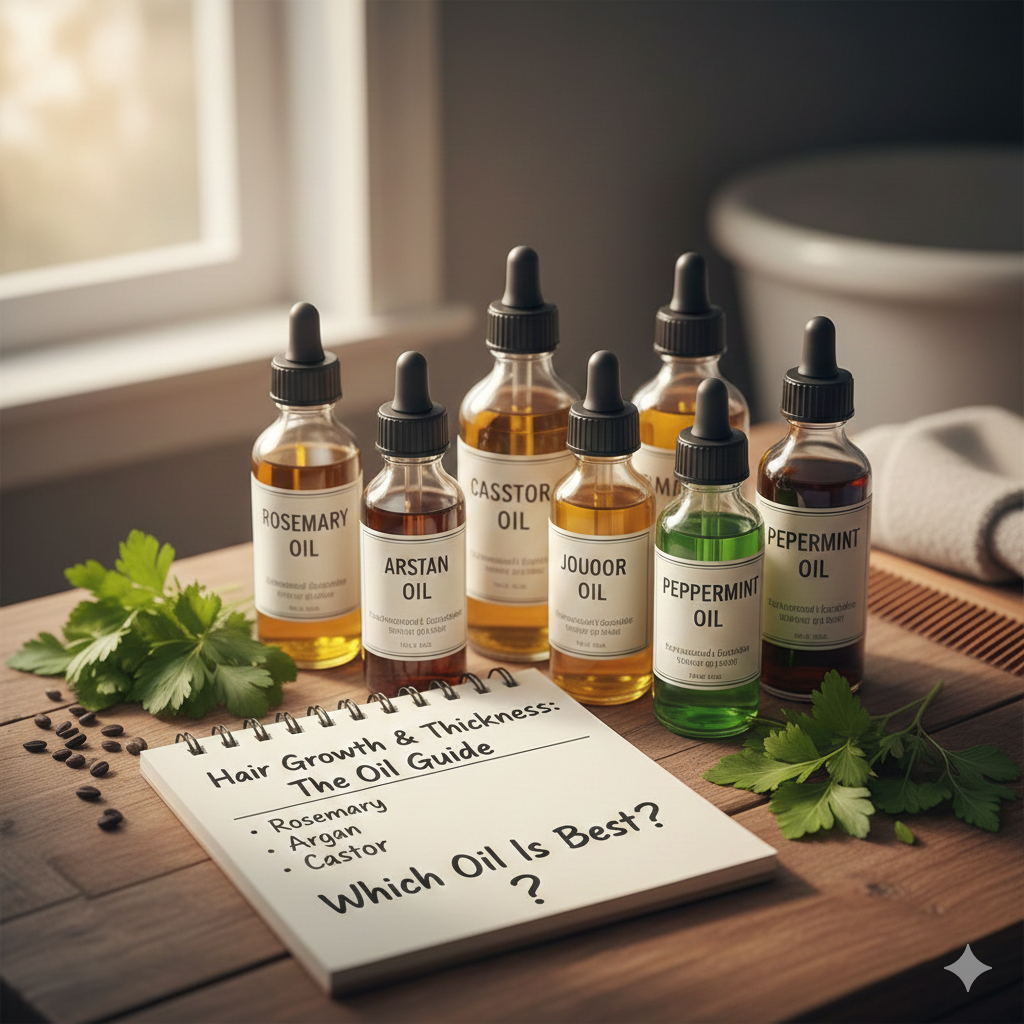
Many women wear wigs and some other hair extensions, but that doesn’t take away the desire to grow long hair. You get nervous when your hair breaks constantly instead of growing. At that point, you’re Googling which oil is best for hair growth and thickness, hoping to get an answer.
The hair grows when the scalp is healthy, blood circulation is good, and inflammation is minimal. That is why essential oils for hair growth continue to make appearances in hair care regimens.
Some oils stimulate the scalp, strengthen brittle, or fragile hair strands.
Note: Hair oils don’t directly make hair grow, but they play an important role in keeping the scalp healthy. A nourished scalp creates the right environment for stronger, thicker hair over time.
I will list the five best oils below. They support hair growth and make the hair thick.
The Cycle of Hair Growth
Hair develops in three simple phases: anagen (active growth), telogen (resting), and catagen (shedding).
When this cycle is interrupted due to stress, hormonal shifts, inflammation of the scalp, inadequate nutrient flow, or excessive breakage, hair weakens, thins, and growth slows.
However, a good hair oil will do these three things:
- Increase blood flow to hair follicles
- Control inflammation and buildup on the scalp.
- Prevent growing strands from breaking.
Which Oil Is Best for Hair Growth and Thickness?
Rosemary Essential Oil
Of all the oils for hair growth, rosemary has the strongest research backing. It is a popular home remedy for hair growth. Also, it helps enhance blood flow to the scalp, lower inflammation, and provide antioxidant defense.
A study indicates that, 2% minoxidil and rosemary oil showed very similar results after 6 months of treatment.
How Rosemary Essential Oil Works on Hair
Rosemary can help in a few ways, such as:
- It gets more blood flowing to your scalp, which feeds your hair follicles.
- It helps your hair stay in the growth phase longer.
- It can soothe an irritated scalp, which sometimes makes hair follicles stop growing.
Rosemary often works well for women dealing with slow thinning hair, hair loss after pregnancy, or hair loss due to stress because it supports the natural hair growth process.
How to Use Rosemary as an Essential Oil for Hair
- Do not use Rosemary directly on the scalp. Instead, dilute it with coconut oil or olive oil.
- Add 3–4 drops rosemary essential oil
- 1 tablespoon Argan oil or jojoba oil
- Apply to the scalp and massage 2-3 times per week on the thinning areas.
- Wash after at least 30 minutes.
Peppermint Oil
Peppermint oil clearly produces a cooling and tingling sensation, which is linked to the stimulation of blood circulation in the body.
Several people use this essential oil to boost hair growth. Peppermint oil stimulates blood flow (vasodilation), which leads to the production of vital growth factors, such as insulin-like growth factor 1 (IGF-1).
When compared to Minoxidil, a 4-week study in mice indicated that application of peppermint oil (3%) was superior to minoxidil (3%, usually called Rogaine) for hair growth stimulation.
How to Use Peppermint Oil for the Scalp
- Mix 5 drops of peppermint oil with 30ml (about 2 tablespoons) of any carrier oil.
- Add 5 drops of peppermint oil to your shampoo or conditioner.
- For DIY Hair Mask, mix 3-4 drops of peppermint oil with 2 tablespoons of coconut or jojoba oil and a tbsp of honey.
- Apply to wet hair and scalp, cover for 20-30 minutes, then wash well.
- Use 1-2 times weekly for a stimulating circulation boost
Please be careful when using peppermint oil on your scalp. Use this as a scalp massage oil once or twice a week. Using it too much can irritate if you have a sensitive scalp.
Argan Oil
Argan oil deserves to be in the list. It isn’t an essential oil, but I’d still recommend it for hair, and mostly for women.
People call it the liquid gold because it contains Vitamin E
Oleic and linoleic acids are fatty acids.
Retaining length needs more effort, and argan oil is great for that.
How Argan Oil Can Make Your Hair Look Thick and Strong
- Argan oil strengthens hair to keep it from breaking.
- It also adds bounce, so your hair isn’t brittle.
- In addition, it hydrates without making your hair feel heavy or blocking your scalp.
- If you’re a woman with dry, colored, or heat-styled hair, argan oil is a great product.
How Women Use Argan Oil
- Argan oil works as a base for essential oils. You can also use it as a leave-in conditioner to lock in moisture while your hair is still damp, or as a pre-wash treatment for dry ends.
- It is ideal for most hair types.
Castor Oil
Castor oil is thick and heavy. People have mixed feelings about it, but it’s worth trying.
It has a lot of ricinoleic acid, this helps blood flow to your scalp. Some say it can make their hair thick, especially for people with fragile hair.
What Castor Oil Can Do for Hair
Castor oil can boost blood flow in your scalp, which can strengthen hair from the roots. This helps prevent breakage, giving your hair a chance to grow longer.
The growth is not automatic; however, it helps it stay healthy as it grows.
Best Way to Use Castor Oil
- Just mix 1 spoon of castor oil with 1 spoon of argan oil.
- Massage it gently into your scalp.
- Leave it in for a few hours, or even overnight, then shampoo your hair.
- Apply weekly.
Lavender Essential Oil
It’s not just your hair follicles that can cause hair loss. Stress on your scalp from things like inflammation, irritation, and tension can also lead to shedding.
Lavender essential oil is a bit different from rosemary or peppermint oil. Instead of supporting your hair to grow faster, it calms your scalp. With this, it creates a better base for healthy hair follicles.
How Lavender Helps Hair:
It can reduce swelling that interferes with hair growth and helps balance your scalp’s oil production.
Lavender oil has antiseptic properties that fight bacteria that cause itching and dandruff. If you have a sensitive scalp, lavender is one of the products to add to your hair routine.
How to Use Lavender Oil:
- 3 drops of lavender essential oil.
- 1 tablespoon of argan oil.
- Massage it into your scalp twice a week, or mix it into your conditioner as a regular treatment.
Mixing Oils for Great Hair
For your hair to look good, get different oils for your hair. Here’s a simple recipe you can try once a week:
- Argan oil: Use this as your main oil.
- Rosemary oil: This will stimulate your scalp.
- Lavender oil: This will help you relax.
This mix will help blood flow, keep your scalp healthy, and protect your hair. These steps are vital for growing thick, strong hair.
What to Expect
Hair oils are not a quick fix for growing hair; however, they can help.
Most women notice that:
- Their hair feels better and stronger after 2-3 months.
- Their hair looks thicker when they keep using the product.
Why Women’s Hair Changes: Growth and Thickness
Different things can make your hair not grow well. Hair growth in women is more than just genetics. Things like hormones, styling habits, stress levels, and scalp health all play a part.
So, a good hair oil should do more than just stimulate hair follicles. It needs to support the whole growth process, from your scalp to the ends of your hair.
Related Post:5 Best Face Washes for Oily Skin
How Oils Help Hair Grow: It Starts at Your Scalp
Your hair starts growing under your skin. For each hair follicle to stay active, it needs good blood flow and a healthy scalp.
Oils that boost blood flow and calm any inflammation can help follicles stay in their growth phase longer.
That’s why certain oils can be great for hair growth. If you’re a woman noticing thinning hair at your temples, or around the edges, using oils specifically for your scalp can make your hair fuller.
When blood flows better, your hair follicles get more oxygen and nutrients. Hair tends to grow at a more normal rate, and you might see less shedding as your scalp gets healthier.
Why Hair Thickness Is Not About Growth
Hair thickness is not only about how quickly your hair grows; it involves how much of it stays on your head. A lot of people can grow hair fast; however, they don’t see much length because it keeps breaking off.
So, when we talk about oils that help hair grow, we also need to mention the oils that make the hair stronger.
Oils with lots of fatty acids and antioxidants can keep your hair from getting dry and protect it from damage caused by hot styling. On the other hand, if you moisturize your hair often, it helps prevent hair breakage.
Even if your hair is not growing fast, your hair will appear thick and full as a result of reduced breakage.
Essential Oils vs. Carrier Oils
Essential oils and carrier oils do different things for your hair. Essential oils are strong, they help blood flow or balance bacteria.
Carrier oils feed and protect your scalp and help essential oils penetrate deeply. Using both is fine. Nevertheless, you must know how your scalp reacts to each oil.
A stimulating essential oil can help your hair follicles work better. Carrier oils, like Argan oil, keep your hair moist and protect it from damage.
This mix helps your hair grow and get thicker in a way that feels natural.
Thickening Hair and Growing It With the Help of Argan Oil
Argan oil does not go into the follicle, but it is one of the best oils for hair strength. That’s why I always recommend it.
If you use heat, color your hair, or do protective styles a lot, you need argan oil. It stops breakage, which is what keeps you from seeing growth.
Also, it keeps moisture in, so your hair can grow without breaking off. That makes Argan oil a good pick for anyone who wants thicker hair.
Frequently Asked Questions
- What’s the Best Oil for Hair Growth and Thickness?
The scalp matters most for hair growth, as it is the ground where follicles take root and grow.
Rosemary and peppermint oils stimulate the scalp to encourage hair growth. While nutrient dense castor oil and argan oil help to thicken and prevent breakage.
- How Long Before Hair Oils Work?
Many people notice their scalp feels better between 4 and 8 weeks. If you want to see noticeable growth or thicker hair, it usually takes about 3-4 months of using the oils regularly.
- Can Essential Oils Hurt My Hair?
Yes, essential oils can harm hair, irritate the scalp, and cause hair loss if used undiluted (directed to the scalp), used too frequently, or if you have an allergic reaction.
They are very concentrated and should be diluted with a carrier oil such as coconut or jojoba to prevent burns or extreme dryness.
- What if I Have an Oily Scalp?
Yes, hair oils are fine for oily scalps, but you need to be strategic about it, so as not to clog your follicles or weigh your hair down and make it look greasy.
Concentrate on lightweight, balancing oils that you use sparingly, primarily as a pre-shampoo treatment 1–2 times a week instead of daily.
Some essential oils can help balance the oil on your scalp. If you mix them with light carrier oils like argan, it can help instead of making things worse. The key is not to apply too much.
Conclusion
If you are looking for an oil for hair growth, you should also consider your scalp. Not all hair oils are good for the scalp, especially for sensitive skin.
Essential oils can keep your hair roots active, while oils like argan and castor oil protect your hair so it doesn’t lead to breakage.
If you use the correct oil, it will make your hair stronger, fuller, and look great. However, this is not magic. You must be consistent.
To get any of these oils, contact us here. Like, and also share this on your social media pages.
No matter the type of hair, natural or perm, a tiny hair must break, especially the front section, which is always the weakest. If you understand the causes, it will be easier to improve both the look and health of your hair. The purpose of this article is to discuss the best way to prevent hair breakage.
Hair breakage is the result of natural weak points along the hair shaft. Environmental factors, neglect, and natural makeup of the hair can weaken it. Those with textured hair such as type 4C have more weak points in the strand than those with straight hair.
Knowing what causes hair to break will enable you to develop the best way to avoid this.
Causes of Hair Breakage
Sometimes, we assume that it is normal for our hair to snap off while combing. It is true to a level; however, when it breaks excessively, then it is no longer normal.
What causes hair to break? And how do I stop my hair from breaking? You must have asked different hair stylists these questions. Unfortunately, the answer to both is complicated because there are different reasons why hair breaks.
Mechanical damage, chemical treatments like relaxers or sprays, and lack of moisture are some of the reasons. For example,
When you use a hairdryer, flat iron, or curling iron on your hair without a heat protectant, you’re putting your hair at risk.
The same thing applies to using a relaxer or hair dye on your hair. With time, it weakens and the result is split ends. Below are the major causes of hair breakage.
Overuse of heat and styling
The most common cause of hair breaking is overusing tools that create heat, such as blow-drying, straightening, and curling. The heat can strip your hair of its natural moisture and oils, making it dry and fragile.
When your hair is dry and fragile, if you continue to style it with these tools, it can cause breakage
Chemicals
The use of hair dyes, bleaches, and relaxers can weaken your hair shaft, thereby increasing the chances of breakage.
These procedures remove the natural oils and proteins from the hair.
Poor Dietary Habits
What you eat is a big part of your overall health and your hair’s health. If you do not eat a well-balanced diet rich in protein, iron, biotin, and vitamins A and C, you will likely have weak or fragile hair.
Excessive Brushing or Combing
If you brush and comb your hair excessively or use rough brushes, the hair will develop a lot of friction over time, which can damage the hair strands.
It is recommended to use a wide-tooth comb or brush specifically made for detangling wet hair and be careful when combing your hair.
Moisture Deficiency
Insufficient moisture leads to extreme dryness which in turn causes hair breakage especially for those with 4C hair type, because they produce the least amount of sebum (natural oil from the scalp).
Hair requires adequate moisture to stay healthy and when hair lacks moisture, it becomes very dry, brittle, has split ends, and causes breakage.
Cotton Pillowcases
Cotton pillowcase feels good on the skin, but they are not gentle on your hair. The cotton pillowcases create friction (due to the movement of your head during the night), which damages the hair cuticle leading to knotting, tangling and eventually breaking your hair.
Environmental Factors
Harsh weather, such as sun, wind and pollution, can also lead to hair breakage. These conditions remove the natural oils and moisture from the hair that they need to keep the hair moisturized, resulting in dry, brittle hair that breaks easily.
Genetics
Certain people are genetically predisposed to have breakage in their hair. If someone has a history of weak or thin hair in their family line, they will be more likely to experience breakage too.
Related Post:10 Best Anti-Aging Serums as Recommended by Dermatologists
How to Prevent Hair Breakage
To avoid hair breaking, you must follow proper hair care tips. Sometimes, lack of care is what causes breakage. So, to prevent excessive hair breakage, here are a few things you can do.
Use Good Products.
One of the ways to prevent hair breakage is to keep your hair hydrated. Using natural oils like coconut oil, castor oil, or jojoba oil adds moisture to the hair.
Normally, when the hair lacks oil or moisture, it breaks easily. To stop hair loss, apply moisturizing masks that contains shea butter, argan oil, or coconut oil.
It nourishes hair from the roots to the ends. Also, apply leave-in concoctions or oils (like argan or jojoba) to lock in moisture.
Trim Your Hair Regularly
Trimming your hair regularly is one of the best ways to remove split ends. If left untreated, split ends can move up the hair shaft and cause more breakage.
Understanding the causes of split ends (dehydration, heat damage, or friction) will help you adopt better hair care practices that prevent them from forming.
Trimming your hair on a regular basis (every 6-8 weeks) will enable you to get rid of split ends before they start moving up your hair shaft.
Gently Dry Your Hair
After shampooing your hair, be gentle when you dry it with a towel. Too much friction will make the hair cuticle rough, which leads to frizz and breakage.
Because hair is weak when wet, you need to handle it accordingly. Do this:
- Blot Your Hair, Don’t Rub It: When using a towel to dry your hair, gently squeeze out excess water rather than rubbing the towel against your hair.
- Use a Soft Towel: A microfiber towel or an old, soft cotton t-shirt is better.
Consider Air Drying Your Hair
If you are not in a rush, air-drying is the most harmless way to dry your hair. Apply a leave-in treatment or serum to lock in moisture and protect the hair as it air dries.
However, if you must use a towel, wrap it loosely over your head like a turban to soak up the water, without rubbing it against your hair.
When making a turban with a towel, don’t twist or tighten it, you could put your hair to too much stress, that can cause breakage.
Hold the turban in place for only 10 to 15 minutes to soak up excess moisture, then remove it. After that, use a wide-tooth comb to detangle your hair instead of brushes which can cause damage to wet hair.
Avoid Tension or Tight Hairstyles
Traction alopecia, a type of hair loss, can also be caused by tight hairstyles. For example tight ponytails, tight braids, tight buns, and tight hair extensions.
Try these loose braids instead
A low ponytail secured with a gentle, scrunchie or satin tie is a lot easier on hair roots.
Loose Bun: Like the low ponytail, a loose bun at the bottom of the neck will reduce pulling on your follicles and lessen friction.
Loose Braids: A loose, low braid is a wonderful, low-manipulation style that keeps your hair protected from tangles and breakage without placing any tension on your scalp.
Messy Bun: Low tension messy bun will keep your hair secure but comfortable.
Change your hairstyle
Avoid wearing the same tight hairstyle every day, as it pulls your hair from the scalp and breaks.
When hair follicles are under constant pulling, such as in traction alopecia, they begin to break down.
In order to keep your hair healthy and prevent permanent damage, it is important to change your hairstyle from time to time and to let your follicles breathe.
The reason: Pulling hair causes hairlines to recede, temples to thin and leads to small pimples on the scalp. Constant tension also make hair brittle, and it breaks off at the root.
Use soft elastics on your hair
Do not use rubber bands or elastics with metal clasps that can tear and break hair. Use fabric scrunchies or soft fabric or spiral elastics instead.
The slick surface cuts down on friction, letting strands glide along, which helps prevent frizz and split ends. This means they’re also great for fine or fragile hair (and for sleeping with!).
Limit heat styling.
Everybody loves an amazing blowout and perfectly styled curls, but heat styling can be extremely damaging to the hair. If you have to use heated tools, limit their use to once a week.
When you do heat styling, always use a heat protectant spray or serum before you start to style. This gives an extra layer of protection between the heat and the hair.
It is like sunscreen for your hair. Try to also use the lowest setting that you can to achieve your desired look.
Important Nutrients for Healthy Hair
Several vitamins and minerals play a large role in hair health, aid in the formation of protein structures (keratin) and provide nutrients to the scalp.
If you are deficient in any of these nutrients, the probability of having a weak hair is high. Some of the essential nutrients are:
Biotin (Vitamin B7)
This vitamin promotes healthy hair, as biotin is needed to produce keratin, which is the main protein in your hair. The best sources of biotin are eggs, nuts, and sweet potatoes.
Iron
Iron is a vital mineral that carries oxygen from your red blood cells to the follicles on your head. If you do not consume enough iron, it could lead to hair loss or thinning. Iron sources include red meat, spinach, and lentils.
Vitamin C
This vitamin is a powerful antioxidant that aids in the absorption of iron and also plays a role in the production of collagen, a protein that helps keep hair strong. Lemons, oranges, strawberries, and red peppers contain a lot of vitamin C.
Vitamin E
Much like vitamin C, vitamin E is an antioxidant applied to the scalp to shield it from damage. Good sources of vitamin E include almonds, sunflower seeds and avocados.
Zinc
As with the rest of our body, zinc is also crucial for hair growth and ensuring the oil glands surrounding the hair follicles function. Oysters, beef, and pumpkin seeds are a good source of zinc.
Hair Health and Seasonal Considerations
Our hair faces different challenges as the seasons change. In the winter hair may feel dry because of the cold dry air.
To fight this drying effect, apply enough moisturizers and use a deep conditioner once a week.
Our hair is more exposed to sun in the summer and every time our hair suffers any of these damages, it loses moisture. You can reduce the damage by applying UV protectant products or wearing a hat when outside.
Frequently Asked Questions
What is causing my hair to break?
There are many reasons why hair can break. Insufficient nutrients, use of hot styling tools without heat protectants, let’s not forget (brushing hair harshly or pulling the hair tightly in a bun or ponytail). It weakens the hair and causes breakage.
How should I comb my hair?
The correct way is to start from the bottom and slowly work your way up to the top of your head. Separate your hair into small sections and gently detangle any knots.
It doesn’t put as much strain on the roots of your hair, and that will help prevent additional damage to the ends.
Does my diet affect my hair?
Yes, hair needs vitamins and minerals to be healthy. Protein, B vitamins, healthy fats and more lead to strong, healthy hair and you get them all from foods like eggs, nuts, fish and vegetables.
Can I use heat-styling tools, such as blow dryers or straighteners?
Yes! Just be careful not to overdo it. Make sure to use a heat protectant spray/lotion before applying any tools to form a layer over your hair that will help protect it from heat damage.
Are there any special treatments available to repair broken hair?
Absolutely! Deep conditioning treatments can rehydrate your hair. Also, salon treatments “bond builders” and “breaking down bonds” can help repair damaged hair.
In addition, regular trimming can stop split ends from travelling up the hair shafts.
Conclusion
When your hair is dry, it will break. Bad hair care habits, such as combing hair when it’s wet, the use of hot styling tools, chemicals and exposure to environmental pollutants are just a few reasons your hair may be breaking.
Moisturizing is the most important thing you can do to keep dry, or fragile hair strong. However, you must select the right products for your hair type and make sure you trim those split ends.
Make a couple of changes today. One or two at most. For more hair care tips and recommended products, contact us through the channels below.
-

 Hair Care3 months ago
10 Best Conditioners for Curly Hair
-

 Hair Care3 months ago
10 Best Shampoos for Oily Hair
-

 Skin Care3 months ago
10 Best Anti-Aging Serums as Recommended by Dermatologists
-
Uncategorized3 months ago
5 Best Makeup for dark skin as recommended by Dermatologists
-

 Beauty and Haircare2 months ago
7 Best Natural Hair Products for Black Hair
-
Beauty and Haircare2 months ago
Best Pixie Hairstyles for Curly Hair
-

 Skin Care2 months ago
7 Best Moisturizers for Oily Skin
-

 Skin Care2 months ago
8 Best Foundations for Oily Skin in 2026